
What is Fire Safety and Why is it Important?
What is Fire Safety and Why is it Important? A Complete Guide to Protecting Lives and Property
Fire safety refers to the set of practices, measures, and precautions designed to prevent the outbreak of fire, control its spread, and minimize the damage it can cause. It is not just a regulatory requirement but a critical component of safety planning for homes, workplaces, schools, and public spaces. Fires can occur unexpectedly due to electrical faults, unattended cooking, flammable materials, or human negligence, and their consequences can range from minor property damage to catastrophic loss of life.
The importance of fire safety extends beyond physical protection—it also includes financial security, environmental conservation, and psychological well-being. By implementing proper fire safety measures, individuals and organizations can ensure they are prepared to:
- Prevent fires by identifying potential hazards and reducing risk factors.
- Respond effectively during emergencies through clear procedures, evacuation plans, and fire drills.
- Protect valuable assets including homes, businesses, equipment, and important documents.
- Save lives and reduce injuries through timely intervention and safety awareness.
- Comply with legal and regulatory requirements, avoiding fines or liability issues.
In essence, fire safety is a comprehensive approach to risk management, combining preventive strategies, safety education, equipment readiness, and emergency preparedness. Whether in a residential setting, office environment, or industrial facility, prioritizing fire safety helps minimize human, financial, and environmental loss while fostering a culture of awareness and proactive protection.
What is Fire Safety?
Fire safety is a comprehensive system of measures and strategies aimed at preventing fires, reducing their likelihood, and mitigating their impact on life, property, and the environment. It goes beyond merely having fire extinguishers or smoke detectors—it involves a complete approach to identifying, assessing, and managing fire risks in homes, workplaces, industrial facilities, and public spaces.
At its core, fire safety consists of four main components:
- Fire Risk Identification and Assessment:
- Conducting thorough inspections to identify potential fire hazards such as faulty electrical wiring, flammable materials, and human errors.
- Assessing the likelihood and potential impact of different fire risks to prioritize preventive measures.
- Preventive Measures:
- Implementing safety practices like proper storage of combustible materials, controlling ignition sources, and maintaining clean, clutter-free environments.
- Installing fire-resistant building materials, smoke alarms, and early warning systems to prevent fire escalation.
- Protective Equipment and Systems:
- Equipping buildings and facilities with fire extinguishers, fire blankets, sprinklers, smoke detectors, and alarm systems.
- Ensuring all equipment is regularly maintained and operational for immediate response in case of fire.
- Emergency Preparedness and Response Planning:
- Developing and practicing fire evacuation plans for families, employees, and residents.
- Conducting regular fire drills, training staff on extinguisher use, and educating people about safety protocols.
- Coordinating with local fire departments and emergency services for rapid intervention.
Importance in Everyday Life:
Fire safety is essential not only for saving lives but also for protecting property, minimizing financial losses, and ensuring compliance with legal and regulatory standards. It also enhances community awareness, reduces panic during emergencies, and fosters a culture of proactive risk management.
Fire safety is a holistic approach that combines prevention, protection, preparedness, and education—ensuring that both humans and assets are safeguarded from the devastating consequences of fire.
Why is Fire Safety Important?
Fire safety is one of the most critical aspects of protecting human life, property, and the environment. Fires can occur unexpectedly and escalate rapidly, causing devastating consequences. Implementing comprehensive fire safety measures is not just a precaution—it is an essential practice for saving lives, preventing property loss, and ensuring overall safety. Here’s why fire safety is so important:
1. Saves Lives and Reduces Injuries
Fires can cause serious injuries, burns, smoke inhalation, or even fatalities if not controlled promptly. Fire safety measures—such as early warning systems, smoke detectors, fire alarms, and well-practiced evacuation plans—play a critical role in alerting occupants and enabling safe escape, significantly reducing the risk of injury or death.
2. Prevents Property Damage
Uncontrolled fires can destroy homes, workplaces, commercial buildings, and personal belongings within minutes. Implementing proper fire prevention protocols, such as fire-resistant materials, fire extinguishers, sprinkler systems, and safe storage of flammable items, helps minimize property loss and preserve valuable assets.
3. Ensures Business Continuity
For organizations, fire safety is vital to maintaining operational stability. A fire outbreak can halt production, disrupt services, and result in significant financial losses. By adopting fire prevention strategies, companies can protect employees, secure equipment, and minimize downtime, ensuring continuity of operations even during emergencies.
4. Compliance with Legal and Regulatory Requirements
Most countries have established fire safety laws and regulations that require individuals, property owners, and organizations to maintain specific safety standards. Compliance not only avoids legal penalties, fines, and liability but also demonstrates a commitment to safety and responsible management.
5. Protects the Environment
Fires can release harmful smoke, chemicals, and pollutants into the environment. Effective fire safety measures reduce the likelihood of environmental damage caused by uncontrolled fires, helping to protect surrounding ecosystems and communities.
6. Peace of Mind and Psychological Safety
Knowing that proper fire precautions and emergency plans are in place provides reassurance and confidence to residents, employees, and visitors. It reduces panic and stress during emergencies, allowing people to react calmly and efficiently, which can save lives and prevent injuries.
7. Promotes a Culture of Safety
Fire safety is not just about equipment—it’s about awareness, training, and proactive behavior. Prioritizing fire safety in homes, workplaces, and communities encourages a culture of responsibility and preparedness, where everyone understands risks and knows how to respond effectively in case of fire.
Understanding the Fire Triangle and Causes of Fire
Fires do not occur randomly—they require specific conditions to ignite and sustain themselves. These conditions are explained through the concept of the fire triangle, which consists of three essential elements: heat, fuel, and oxygen. Understanding this triangle is critical for preventing fires, assessing risks, and implementing effective fire safety measures.
The Fire Triangle Explained
- Heat (Ignition Source):
Heat is the energy required to start a fire. Common ignition sources include:- Open flames, such as candles, matches, or stoves.
- Electrical sparks from faulty wiring, overloaded circuits, or malfunctioning appliances.
- Friction, hot surfaces, or industrial machinery in factories.
Controlling heat sources by proper insulation, electrical safety checks, and safe handling of flammable objects is essential for fire prevention.
- Fuel (Combustible Materials):
Fuel refers to any material that can catch fire and sustain combustion. Common fuels include:- Organic materials like wood, paper, and fabrics.
- Plastics, chemicals, oils, and solvents in homes, workplaces, and industries.
- Gasoline, propane, and other flammable liquids stored improperly.
Reducing fuel availability through safe storage, proper labeling, and minimizing clutter can significantly lower fire risks.
- Oxygen:
Oxygen is a vital component that allows fire to sustain combustion. Even a small supply can fuel a fire, while removing or limiting oxygen can help control or extinguish it. Examples include:- Enclosed spaces where airflow can increase or decrease fire intensity.
- Industrial or storage areas with adequate ventilation.
Eliminating any one element of the fire triangle can prevent or stop a fire, which is why modern fire safety focuses on controlling ignition sources, limiting fuel availability, and using fire suppression systems to restrict oxygen.
Common Causes of Fire
Understanding fire causes is crucial for risk reduction and proactive safety planning. The most common causes include:
- Electrical Faults:
- Faulty wiring, overloaded circuits, short-circuits, and malfunctioning appliances are major causes of fires in both residential and industrial settings.
- Improper Storage of Flammable Materials:
- Chemicals, fuels, paper, and textiles stored incorrectly can easily ignite if exposed to heat or sparks.
- Human Negligence:
- Smoking indoors, unattended cooking, leaving candles burning, and improper use of heating equipment are frequent contributors to accidental fires.
- Industrial Hazards:
- Factories, workshops, laboratories, and chemical plants face higher fire risks due to the presence of combustible chemicals, machinery, and high-temperature operations.
- Natural Causes (Less Common but Significant):
- Lightning strikes, extreme heat, and dry conditions can trigger fires, especially in outdoor or forested areas.
By understanding the fire triangle and common causes of fire, individuals and organizations can identify vulnerabilities, eliminate ignition sources, safely store flammable materials, and implement effective fire prevention strategies to protect life and property.
Fire Safety Precautions for Homes
Ensuring fire safety at home is one of the most important steps in protecting your family, property, and valuables. Residential fires can start unexpectedly and escalate rapidly, often causing significant damage and endangering lives. Implementing comprehensive fire safety precautions helps prevent accidents, ensures preparedness, and reduces the impact of potential fire incidents.
1. Install and Maintain Smoke Detectors on Every Floor
Smoke detectors are the first line of defense against residential fires. They provide early warnings, giving families critical time to evacuate safely.
- Install detectors in hallways, bedrooms, kitchens, and near staircases.
- Test smoke detectors monthly and replace batteries at least once a year.
- Consider interconnected smoke detectors that trigger alarms throughout the house for faster alerts.
2. Keep Flammable Materials Away from Heat Sources
Many household fires occur due to improper placement of combustible items. Common precautions include:
- Store papers, fabrics, and plastics away from stoves, heaters, candles, and fireplaces.
- Keep flammable liquids like gasoline, kerosene, and cleaning chemicals in well-ventilated, fireproof cabinets.
- Avoid placing furniture or curtains too close to heaters or electrical devices.
3. Maintain Fire Extinguishers and Fire Blankets in Key Locations
Having fire-fighting equipment accessible can prevent small fires from spreading.
- Place fire extinguishers in the kitchen, garage, and near exit routes.
- Ensure family members know how to operate different types of extinguishers (e.g., water, foam, CO2, or powder).
- Keep fire blankets in the kitchen or near potential fire sources to smother flames quickly.
- Regularly inspect extinguishers for pressure, expiry dates, and accessibility.
4. Plan and Practice a Home Evacuation Plan
Preparedness saves lives during emergencies.
- Identify primary and secondary exit routes from every room.
- Assign roles to family members for checking rooms and assisting children or elderly during evacuation.
- Conduct fire drills at least twice a year to ensure everyone knows how to respond calmly.
- Create a safe assembly point outside the home for all family members to gather.
5. Electrical Safety: Avoid Overloading and Fix Faulty Wiring
Electrical fires are among the most common residential hazards.
- Never overload power strips or electrical outlets.
- Replace frayed wires, damaged plugs, or faulty appliances immediately.
- Use certified circuit breakers and surge protectors to prevent overheating and electrical sparks.
- Avoid running cords under rugs or furniture that can trap heat.
6. Additional Precautions for Home Fire Safety
- Kitchen Safety: Never leave cooking unattended and keep flammable items away from stovetops.
- Heating Safety: Maintain safe distances for heaters and never use combustible materials near fireplaces.
- Child Safety: Educate children about fire hazards and restrict access to lighters, matches, and candles.
- Emergency Contacts: Keep fire department numbers accessible and ensure everyone knows how to call in case of an emergency.
Fire Safety in the Workplace
Workplace fire safety is a vital component of protecting employees, safeguarding assets, and ensuring uninterrupted business operations. Fires in office buildings, factories, hospitals, or construction sites can result in serious injuries, fatalities, financial loss, and legal liabilities. Implementing comprehensive workplace fire safety measures ensures that organizations prevent fires, respond efficiently, and comply with legal and regulatory standards.
1. Conduct Regular Fire Risk Assessments
Identifying potential hazards is the first step toward effective fire safety.
- Inspect electrical systems, heating equipment, and machinery for faults or wear and tear.
- Evaluate storage areas for flammable materials, chemicals, and combustible waste.
- Identify areas with limited access or inadequate ventilation that may exacerbate fire risk.
- Update risk assessments annually or whenever significant changes occur in the workplace.
2. Train Staff on Fire Prevention and Emergency Response
Employees play a crucial role in preventing and responding to fires:
- Provide training on fire hazards, safe practices, and proper handling of flammable substances.
- Teach staff how to operate fire extinguishers, use fire blankets, and activate alarm systems.
- Conduct role-based training for designated fire wardens and emergency coordinators.
- Include new hires in training programs to ensure safety awareness from day one.
3. Maintain Clear and Marked Emergency Exits
Emergency exits and evacuation routes are essential for safe escape:
- Ensure all exits are unobstructed, clearly marked, and illuminated.
- Install exit signs and emergency lighting to guide employees during low visibility conditions.
- Conduct regular inspections to confirm doors open easily and pathways remain clear.
4. Perform Fire Drills Regularly
Regular drills help employees respond quickly and safely in an actual emergency:
- Schedule fire drills at least annually, or more frequently in high-risk environments.
- Simulate realistic scenarios including blocked exits, smoke-filled areas, and emergency communications.
- Evaluate employee response times and adherence to evacuation procedures to improve preparedness.
- Document drills for compliance and continuous improvement.
5. Industry-Specific Fire Safety Precautions
Different workplaces have unique fire hazards and require tailored safety measures:
- Factories and Warehouses: Manage combustible materials, implement proper storage, and install industrial fire suppression systems.
- Hospitals and Healthcare Facilities: Protect oxygen supply areas, maintain fire evacuation protocols for patients, and ensure fire alarms are audible in all rooms.
- Offices and Commercial Buildings: Ensure electrical safety, monitor kitchen areas, and maintain emergency lighting.
- Construction Sites: Store flammable chemicals safely, control welding sparks, and provide portable fire extinguishers on site.
6. Legal Compliance and Safety Standards
Workplaces must adhere to fire safety regulations:
- Follow local fire codes, occupational health and safety laws, and insurance requirements.
- Conduct regular inspections and audits to remain compliant.
- Appoint responsible personnel to oversee fire safety measures and reporting.
Essential Fire Safety Equipment
Having the right fire safety equipment is crucial for preventing small fires from escalating, protecting lives, and minimizing property damage. Each tool serves a unique purpose, and knowing how to use them effectively is essential for home, workplace, or industrial safety.
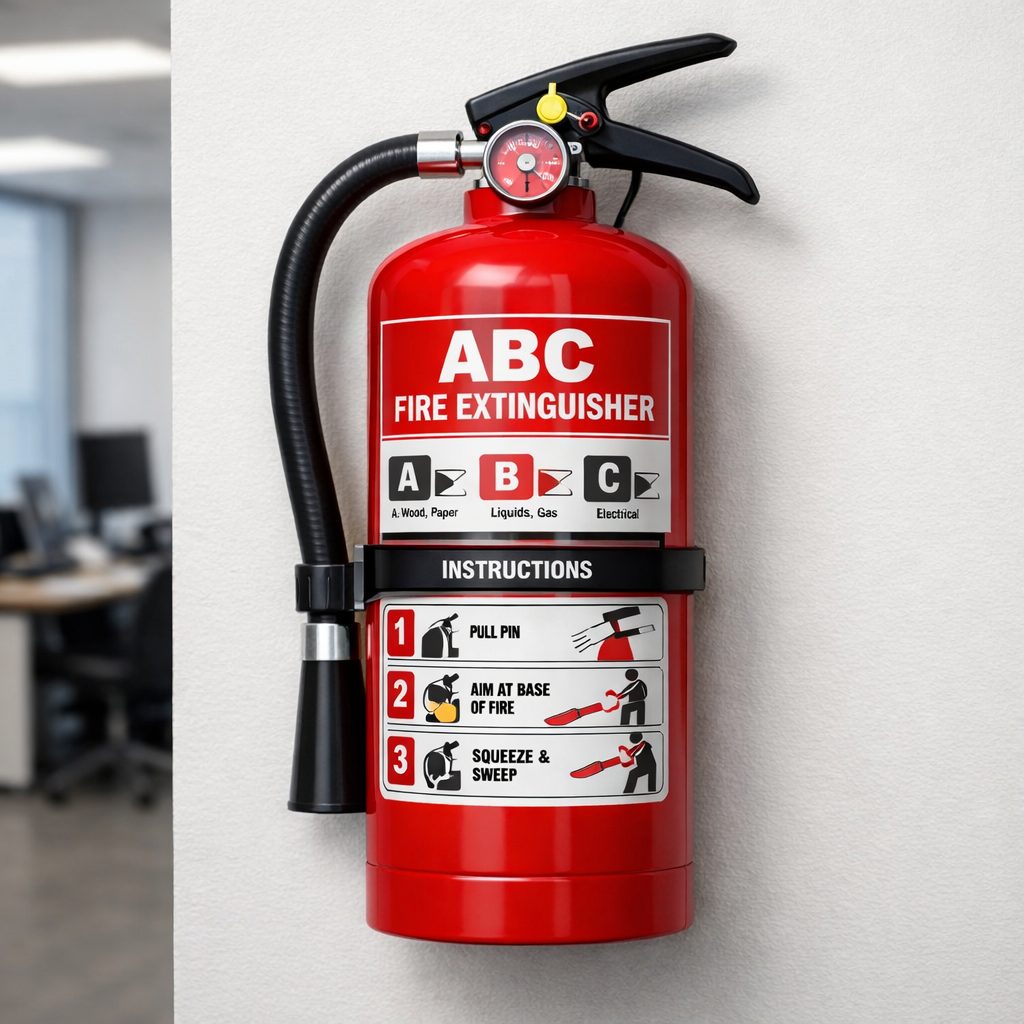
1. Fire Extinguishers
Purpose: Fire extinguishers are portable devices designed to control or extinguish small fires before they spread.
Types & Usage:
- Class A: For ordinary combustibles like wood, paper, and cloth.
- Class B: For flammable liquids such as gasoline, oil, and paint.
- Class C: For electrical fires involving wiring or equipment.
- Multipurpose (ABC): Suitable for all types of common fires.
Benefits:
- Immediate action to prevent fire escalation.
- Portable and easy to operate with basic training.
- Reduces property damage and increases safety in emergencies.
2. Smoke Detectors and Fire Alarms
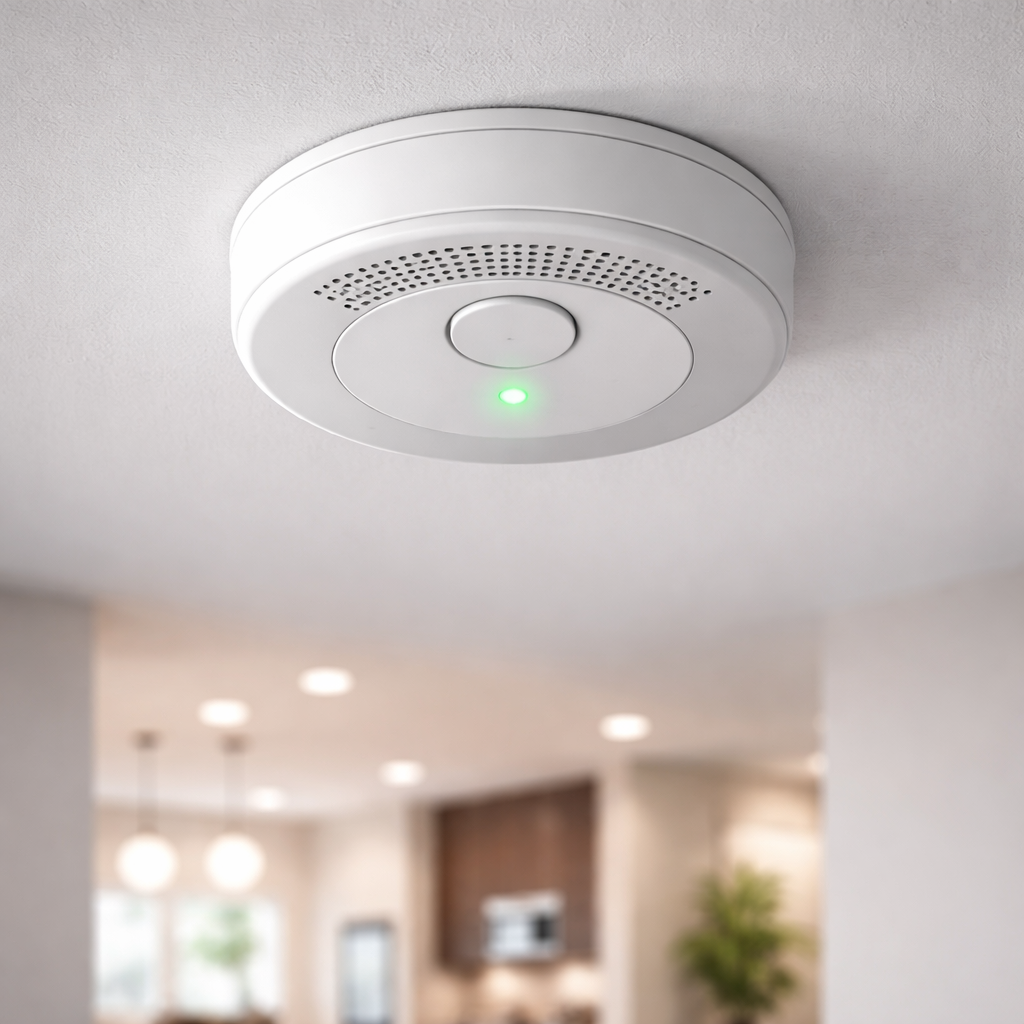
Purpose: These early warning systems detect smoke or heat and alert occupants, allowing for timely evacuation.
Benefits:
- Provides crucial time to escape before fire spreads.
- Can be interconnected for building-wide alerts.
- Reduces the risk of injuries or fatalities during nighttime or low-visibility conditions.
3. Sprinklers and Fire Hoses
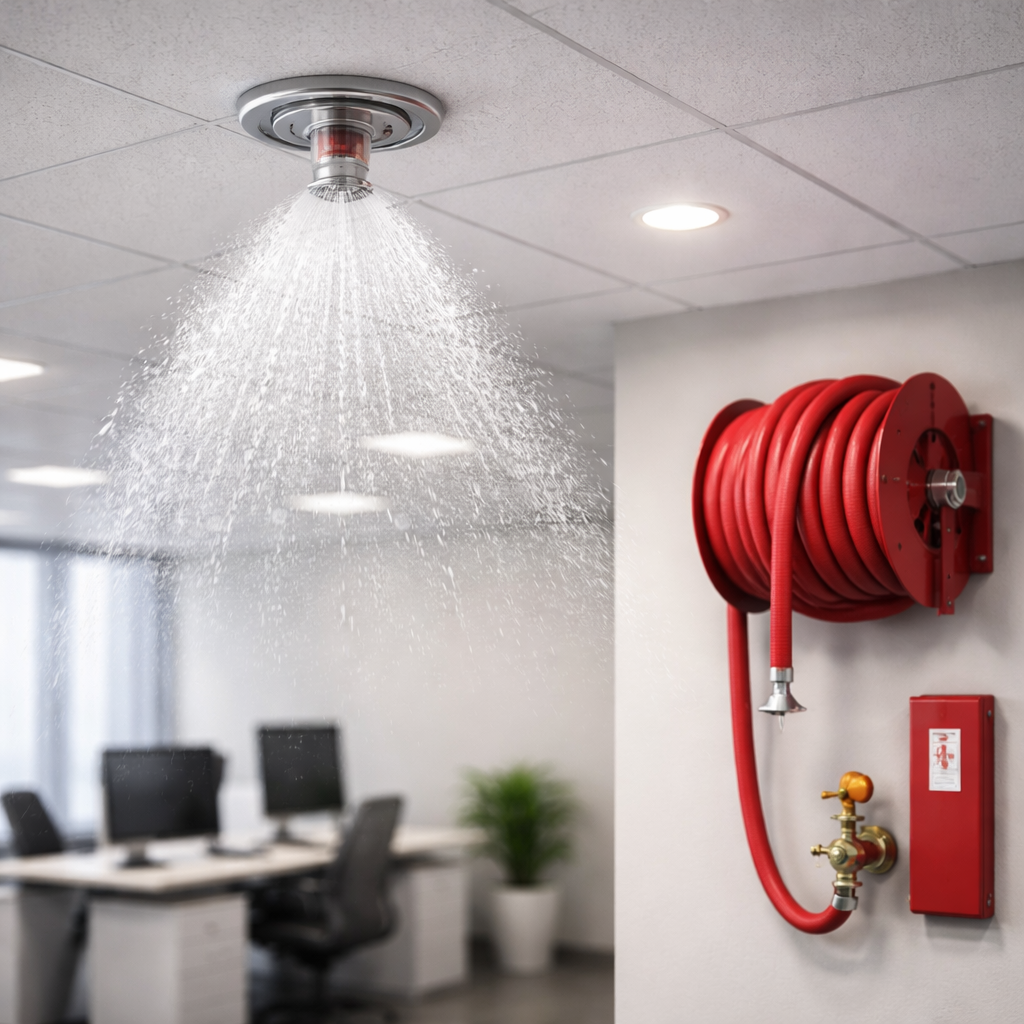
Purpose: Sprinkler systems automatically release water to control or extinguish fires, while fire hoses allow manual fire suppression in larger spaces.
Benefits:
- Rapid response to fires in large areas or industrial settings.
- Reduces fire spread, protecting equipment, inventory, and people.
- Automated sprinklers can operate even when no one is present.
4. Fire Blankets
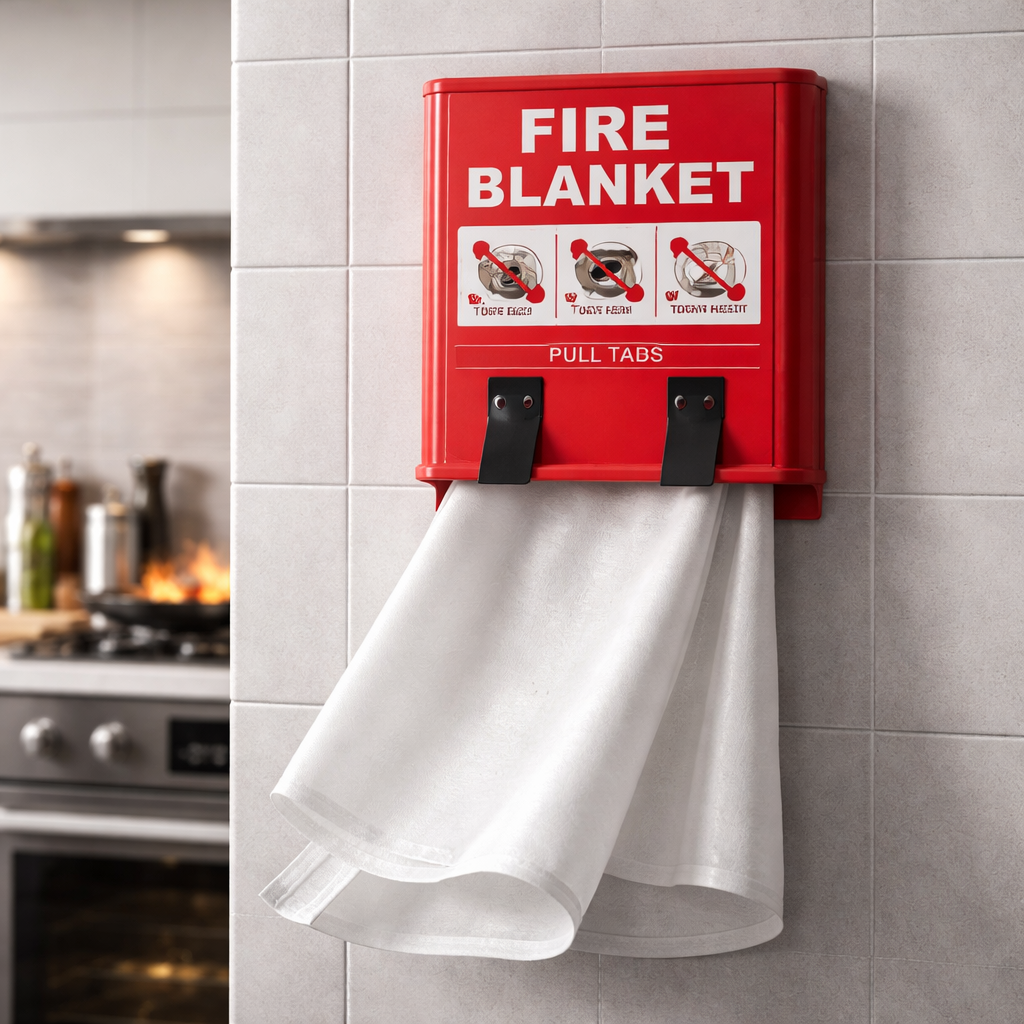
Purpose: Fire blankets are made of fire-resistant materials to smother small fires, particularly in kitchens or on clothing.
Benefits:
- Ideal for kitchen fires, grease fires, or small electrical fires.
- Safe to use and effective without water, which is critical for certain fires.
- Can wrap around a person if clothing catches fire to prevent burns.
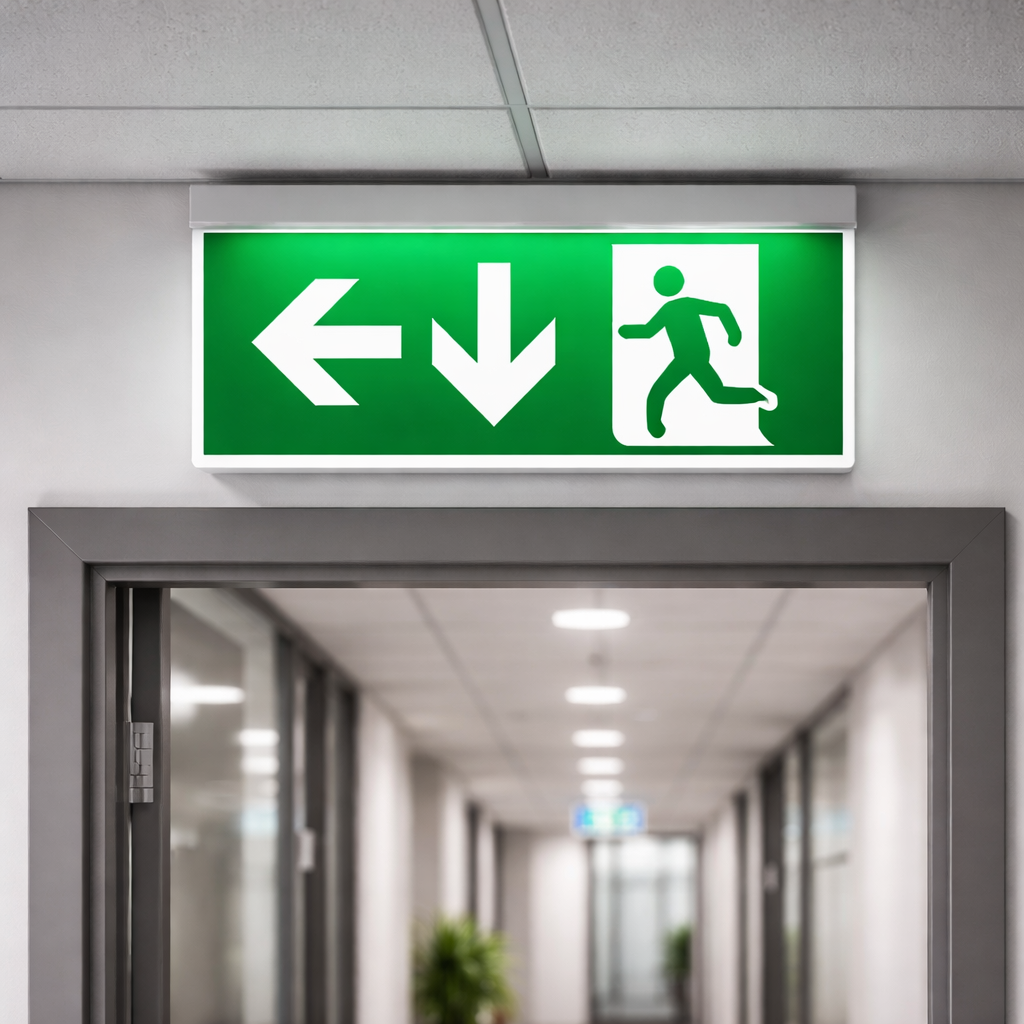
5. Signage and Exit Markers
Purpose: Clear signage and exit markers guide occupants safely out of buildings during emergencies.
Benefits:
- Helps people evacuate quickly, reducing panic.
- Ensures compliance with fire safety regulations and building codes.
- Works even in low-visibility conditions when paired with emergency lighting.
Fire Safety Procedures and Emergency Plans
Proper procedures can save lives during a fire:
- Raise the alarm immediately.
- Evacuate calmly using marked exit routes.
- Call emergency services from a safe location.
- Use fire extinguishers only if the fire is small and manageable.
- Assemble at a pre-determined safe point.
Emergency Steps
| Step | Action | Details / Tips |
|---|---|---|
| 1 | Raise Alarm | Activate fire alarm or manual call point immediately. |
| 2 | Evacuate | Use marked exits, avoid elevators, assist children/elderly. |
| 3 | Call Emergency Services | Provide fire location, type, and number of people in danger. |
| 4 | Use Fire Extinguisher | Only if fire is small and manageable; follow PASS method. |
| 5 | Assemble at Safe Point | Conduct headcount; communicate missing persons to responders. |
Fire Safety Technology
| Technology | Function | Benefits |
|---|---|---|
| Smart Smoke Detectors | Detect smoke and alert smartphones | Early warning; faster evacuation |
| IoT Fire Monitoring Systems | Monitor temperature, smoke, and gas levels | Real-time alerts to occupants & fire department |
| Automated Sprinkler Systems | Release water or suppression agent automatically | Reduce fire spread; protect property |
Fire Drill Frequency
| Occupancy Type | Recommended Drill Frequency | Notes |
|---|---|---|
| Office | At least annually | Include all employees and visitors |
| Factory / Industrial | Quarterly | Include machinery shutdown procedures |
| Residential Buildings | Twice a year | Include children and elderly evacuation plans |
| Schools | Monthly / per term | Ensure all classrooms participate |
Fire Safety Awareness and Education
Fire safety is not limited to equipment and procedures—it also relies heavily on awareness, education, and proactive behavior. Educating individuals, families, and communities about fire risks and proper responses is one of the most effective ways to prevent fires and save lives. A well-informed community can detect hazards early, act quickly in emergencies, and reduce the overall impact of fire incidents.
1. Teach Children Fire Safety Techniques
Children are among the most vulnerable during a fire, so early education is crucial:
- Teach “Stop, Drop, and Roll” in case their clothes catch fire.
- Educate children to never hide during a fire and always follow escape routes.
- Explain the importance of not playing with matches, lighters, or candles.
- Conduct age-appropriate fire safety workshops in schools and community centers.
2. Conduct Regular Fire Drills
Practical experience reinforces theoretical knowledge and ensures readiness:
- Organize fire drills in schools, offices, and residential communities at least twice a year.
- Simulate realistic scenarios, including blocked exits or smoke-filled areas, to train occupants to respond calmly.
- Evaluate performance and update emergency plans based on observations.
- Include special protocols for elderly, disabled, or children, ensuring everyone knows their role during evacuation.
3. Share Fire Safety Checklists and Infographics
Visual tools make learning faster and more memorable:
- Provide home and workplace fire safety checklists covering equipment, evacuation plans, and hazard prevention.
- Use infographics to illustrate key safety tips, escape routes, and equipment usage.
- Encourage printing or downloading these resources for easy reference during emergencies.
4. Promote Public Awareness Campaigns
Fire safety awareness must extend beyond individual homes or workplaces:
- Run campaigns through social media, newsletters, local workshops, and community events.
- Share real-life stories and statistics to emphasize the importance of fire prevention.
- Partner with schools, local authorities, and fire departments to organize fire safety seminars, exhibitions, and interactive training sessions.
- Encourage community members to actively participate in safety initiatives, spreading knowledge within their neighborhoods.
5. Continuous Education and Updates
Fire safety practices and technology evolve over time:
- Educate communities about new fire detection technologies like smart alarms and IoT monitoring systems.
- Update training materials regularly to include latest fire safety regulations, equipment standards, and emergency protocols.
- Promote lifelong learning and awareness, ensuring fire safety remains a priority in households and workplaces.
Fire safety awareness and education are fundamental to preventing fires and minimizing their impact. By teaching children, conducting drills, sharing practical resources, and promoting community campaigns, individuals and organizations can build a culture of preparedness, vigilance, and proactive safety that significantly reduces risks.
Fire Safety Laws and Regulations
Fire safety laws and regulations are essential for ensuring accountability, reducing risks, and protecting lives and property. They provide a legal framework that governs how buildings, workplaces, and public spaces must implement fire prevention measures, maintain safety equipment, and prepare for emergencies. Compliance with these laws not only avoids legal penalties but also enhances overall safety culture in communities and organizations.
1. United Kingdom: Regulatory Reform (Fire Safety) Order
- The Regulatory Reform (Fire Safety) Order 2005 is the primary legislation governing fire safety in the UK.
- It requires responsible persons (employers, building managers) to:
- Conduct fire risk assessments for the premises.
- Identify hazards and take preventive and protective measures.
- Ensure fire safety equipment (alarms, extinguishers, sprinklers) is maintained.
- Train staff and occupants on evacuation procedures.
- The order applies to almost all non-domestic premises, including offices, factories, hospitals, schools, and public venues.
2. United States: OSHA and Local Building Codes
- The Occupational Safety and Health Administration (OSHA) sets fire safety standards for workplaces in the US.
- Key requirements include:
- Fire prevention plans tailored to industry-specific risks.
- Installation and maintenance of fire extinguishers, alarms, and emergency lighting.
- Employee training on fire hazards, evacuation, and proper equipment use.
- Additionally, local fire codes and building regulations govern design, exits, sprinklers, and inspections. Compliance ensures legal safety and insurance protection.
3. Global Perspective: International Fire Safety Practices
- Fire safety standards vary across countries, but all aim to reduce risk, protect lives, and minimize property damage.
- Common international elements include:
- Mandatory risk assessments and inspections.
- Proper placement of firefighting equipment and emergency exits.
- Public awareness campaigns and staff or occupant training.
- Countries may adopt ISO or NFPA (National Fire Protection Association) standards to unify safety measures and promote best practices.
4. Importance of Compliance and Enforcement
- Legal compliance ensures that buildings, workplaces, and public areas meet minimum safety standards.
- Regular inspections and audits by authorities help identify hazards and enforce corrective actions.
- Organizations that comply with fire safety laws demonstrate responsibility, reduce liability, and protect employees and residents.
- Fire safety regulations also encourage continuous improvement, adoption of new technologies, and proactive safety culture.
Fire safety laws and regulations are more than just legal obligations—they are critical frameworks that safeguard lives, protect property, and guide organizations in effective fire prevention and preparedness. Understanding and implementing these laws ensures comprehensive protection and promotes a culture of safety and accountability globally.
Fire Safety Tips for Children and Families
Fire safety at home is a shared responsibility, and educating both children and adults is essential to ensure a quick, calm, and effective response during emergencies. Families that are well-prepared are more likely to prevent fire incidents, reduce panic, and protect lives and property. Implementing structured fire safety practices helps create a safe and secure home environment.
1. Educate Children on Fire Hazards and Emergency Responses
Children should be taught about fire risks in a simple, clear, and age-appropriate manner:
- Explain common fire hazards such as matches, lighters, electrical appliances, and kitchen stoves.
- Teach children essential safety actions like “Stop, Drop, and Roll” if their clothes catch fire.
- Instruct them to never hide during a fire and always follow designated escape routes.
- Show them how to recognize fire alarms and respond immediately when they hear them.
2. Prepare a Family Emergency Kit
An emergency kit ensures that families are equipped to handle unexpected situations:
- Include first aid supplies, bottled water, flashlights, extra batteries, and essential medications.
- Keep important documents such as identification, insurance papers, and emergency contact numbers in a safe, accessible place.
- Store the kit in a designated location known to all family members.
- Regularly check and update the kit to ensure all items are functional and up to date.
3. Assign Roles and Responsibilities During Evacuation
Clear responsibilities help reduce confusion and improve response time:
- Assign specific roles, such as assisting children, helping elderly family members, or carrying the emergency kit.
- Designate one person to call emergency services once safely outside.
- Ensure every family member understands their role and can act independently if separated.
4. Practice Home Evacuation Drills Regularly
Regular drills are essential for building confidence and preparedness:
- Conduct fire evacuation drills at least twice a year.
- Practice escaping from different rooms and using alternative exit routes.
- Simulate realistic conditions such as darkness or blocked pathways to improve readiness.
- Set a safe outdoor meeting point where all family members gather after evacuation.
5. Additional Safety Tips for Families
- Install and maintain smoke detectors in key areas of the home.
- Keep fire extinguishers and fire blankets easily accessible.
- Teach children how to call emergency services and provide their home address clearly.
- Avoid leaving children unattended near open flames, cooking areas, or electrical appliances.
Fire safety for children and families is about education, preparation, and practice. By teaching children about fire hazards, preparing emergency kits, assigning roles, and conducting regular drills, families can significantly reduce risks and respond effectively during emergencies, ensuring the safety of everyone at home.
Explore Professional Fire Safety Courses to Enhance Your Skills
Fire safety knowledge is essential, but gaining professional training and certification can significantly improve your understanding, practical skills, and career opportunities. These specialized courses are designed to provide in-depth knowledge of fire prevention, risk assessment, safety compliance, and emergency response for both individuals and professionals.
Available Fire Safety Courses
- ProQual Level 5 Diploma in Fire Risk Assessment
- ProQual Level 5 Award in Fire Engineering Design
- ProQual Level 5 Diploma in Fire Engineering Design
- ProQual Level 5 Award in Fire Risk Assessment
- ProQual Level 3 Award in the Inspection and Testing of Fire-Rated Intumescent Coatings
- ProQual Level 3 Award in the Inspection and Testing of Fire Stopping Installations
- ProQual Level 3 Award in the Inspection and Testing of Fire Resisting Door Installations
- ProQual Level 2 Award for Fire Marshals
- ProQual Level 4 Award in Advanced Fire Risk Assessment
- ProQual Level 5 Diploma in Passive Fire Protection Inspection
- ProQual Level 5 Diploma in Fire Safety and Risk Management
Stay Safe with Fire Safety Practices
Fire safety is not just a precaution—it is a fundamental responsibility for individuals, families, and organizations. Fires can occur without warning and escalate rapidly, but with the right knowledge, preparation, and preventive measures, their impact can be significantly reduced. Implementing effective fire safety practices ensures the protection of lives, preservation of property, and continuity of daily activities and business operations.
A comprehensive approach to fire safety includes identifying potential hazards, installing and maintaining reliable fire safety equipment, and developing clear emergency response plans. Regular fire drills and training sessions help individuals respond calmly and efficiently, reducing panic and confusion during real-life emergencies. Staying informed about latest safety technologies, regulations, and best practices further strengthens preparedness and resilience.
Moreover, proactive fire safety measures contribute to legal compliance, financial protection, and environmental preservation. They minimize risks, reduce potential losses, and demonstrate a strong commitment to safety and responsibility. Whether at home, in the workplace, or within the community, prioritizing fire safety fosters a culture of awareness, vigilance, and accountability.
Fire safety is an ongoing process that requires continuous attention, education, and improvement. By taking proactive steps today, individuals and organizations can create safer environments, protect valuable assets, and confidently face emergencies, ensuring a secure future for everyone.