
What is Environmental Engineering? Complete Beginner Guide (2026)
Environmental engineering is a specialised and rapidly growing branch of engineering that focuses on protecting human health and the natural environment through sustainable and innovative solutions. It combines key principles from environmental science, civil engineering, chemistry, and technology to address major global challenges such as air pollution, water contamination, climate change, and waste management. Environmental engineers design and implement systems that improve environmental quality, including water treatment facilities, air pollution control technologies, and sustainable infrastructure. As global awareness of environmental issues continues to rise, the importance of environmental engineering in ensuring safe, clean, and sustainable living conditions has become more significant than ever.
In 2026, environmental engineering is recognised as a high-demand and future-focused career field driven by stricter environmental regulations, rapid urbanisation, and global sustainability goals. Governments, industries, and organisations are increasingly investing in environmental protection and green technologies, creating strong career opportunities for skilled professionals. Environmental engineers play a critical role in managing natural resources, reducing environmental risks, and supporting sustainable development across various sectors. With increasing demand for environmental engineering courses, certifications, and professional training, this field offers excellent career growth, global opportunities, and long-term stability for beginners and professionals alike.
What is Environmental Engineering?
Environmental engineering is a branch of engineering that uses scientific and engineering principles to protect the environment by controlling pollution, managing natural resources, and ensuring clean air and safe water. It focuses on developing sustainable solutions that improve environmental quality and protect public health.
Environmental engineering is a multidisciplinary field that combines knowledge from chemistry, biology, physics, and civil engineering to solve real-world environmental problems. It involves designing and implementing systems for water and wastewater treatment, air pollution control, and waste management to reduce environmental impact and maintain ecological balance. Environmental engineers play a crucial role in addressing global challenges such as climate change, resource scarcity, and increasing pollution levels. They develop innovative, efficient, and sustainable solutions that help industries and governments meet environmental regulations while supporting long-term sustainability. This makes environmental engineering a highly important and in-demand field worldwide.
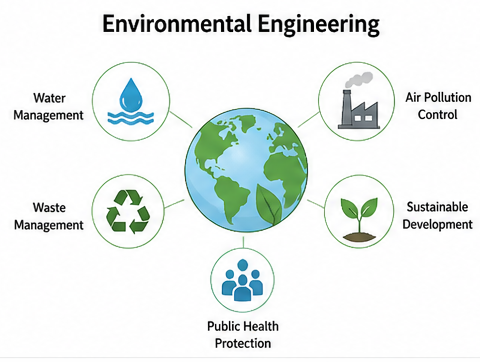
Key Focus Areas of Environmental Engineering
Environmental engineering covers several essential areas that focus on protecting natural resources, reducing environmental pollution, and supporting sustainable development. These core areas are critical for maintaining environmental quality, ensuring public health, and meeting global sustainability goals in 2026.
Water and Wastewater Treatment
Water and wastewater treatment is a fundamental area of environmental engineering that ensures the availability of clean and safe water. Environmental engineers design and manage systems that treat drinking water and wastewater to meet health and environmental standards.
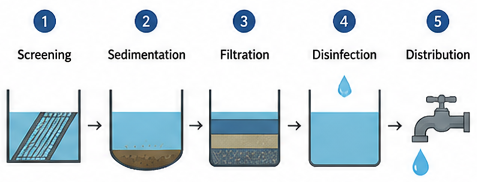
Key responsibilities include:
- Designing water purification and filtration systems
- Removing chemical, biological, and physical contaminants
- Managing municipal and industrial wastewater treatment processes
- Ensuring compliance with environmental and public health regulations
This area helps prevent waterborne diseases, protects aquatic ecosystems, and ensures sustainable water resource management.
Air Pollution Control
Air pollution control focuses on reducing harmful emissions released into the atmosphere from industries, transportation, and urban activities. Environmental engineers develop technologies and strategies to improve air quality and minimise environmental risks.
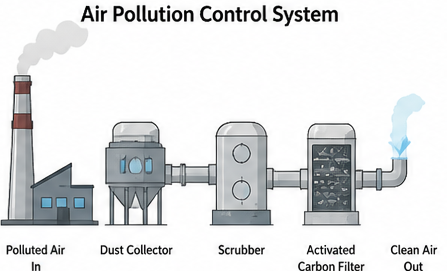
Key responsibilities include:
- Designing emission control and filtration systems
- Monitoring air quality and pollution levels
- Reducing greenhouse gas emissions and industrial pollutants
- Ensuring compliance with environmental standards and regulations
This area is essential for improving public health, reducing climate change impacts, and maintaining clean air environments.
Waste Management Systems
Waste management systems involve the efficient handling, treatment, recycling, and disposal of solid and hazardous waste. Environmental engineers develop sustainable solutions to reduce environmental pollution and improve resource efficiency.
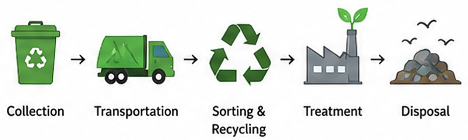
Key responsibilities include:
- Designing waste collection, treatment, and disposal systems
- Promoting recycling and reuse of materials
- Managing hazardous and industrial waste safely
- Reducing landfill usage and environmental contamination
Effective waste management supports sustainable cities, reduces environmental hazards, and promotes circular economy practices.
Environmental Impact Assessment (EIA)
Environmental Impact Assessment (EIA) is a structured process used to evaluate the potential environmental effects of proposed projects before implementation. Environmental engineers conduct detailed assessments to ensure responsible and compliant development.
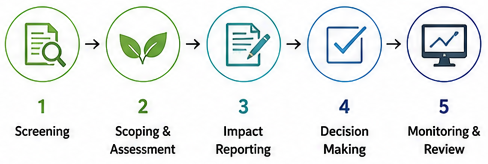
Key responsibilities include:
- Assessing environmental risks and potential impacts
- Preparing environmental reports and documentation
- Ensuring compliance with environmental laws and policies
- Recommending mitigation strategies to reduce negative effects
EIA plays a crucial role in preventing environmental damage and supporting informed decision-making.
Sustainable Infrastructure Development
Sustainable infrastructure development focuses on designing environmentally responsible systems that reduce resource consumption and environmental impact. Environmental engineers integrate sustainability into modern construction and development projects.
Key responsibilities include:
- Designing energy-efficient and environmentally friendly buildings
- Integrating renewable energy solutions such as solar and wind
- Supporting sustainable urban planning and smart city development
- Developing resource-efficient technologies and materials
This area contributes to long-term environmental sustainability, reduces carbon emissions, and supports resilient infrastructure development.
Why is Environmental Engineering Important in 2026?
Environmental engineering has become one of the most important engineering disciplines in 2026 due to the rapid increase in global environmental challenges and sustainability demands. Rising population levels, industrial expansion, urbanisation, and resource depletion have placed significant pressure on natural systems, making environmental protection a global priority. Environmental engineering plays a critical role in developing innovative, efficient, and sustainable solutions that reduce environmental impact, protect ecosystems, and ensure public health. Governments, industries, and organisations increasingly depend on environmental engineers to design systems that meet environmental standards while supporting economic growth and long-term sustainability.
Key Reasons Why Environmental Engineering is Essential
1. Rising Climate Change Impacts
Climate change continues to affect global ecosystems, leading to extreme weather events, rising temperatures, and environmental instability. Environmental engineers develop strategies to reduce carbon emissions, improve energy efficiency, and support climate change mitigation and adaptation efforts.
2. Increasing Industrial Pollution
Rapid industrial development has significantly increased air, water, and soil pollution. Environmental engineers design and implement pollution control systems, helping industries reduce emissions, manage waste, and minimise environmental damage.
3. Growing Demand for Clean Water
Access to clean and safe water is becoming increasingly challenging due to population growth and water scarcity. Environmental engineers design advanced water treatment and distribution systems to ensure a reliable and safe water supply for communities and industries.
4. Strict Environmental Laws and Regulations
Governments worldwide are introducing stricter environmental laws and compliance requirements. Environmental engineers help organisations meet these regulations by designing systems that reduce pollution, manage resources efficiently, and ensure legal compliance.
5. Need for Sustainable Development
Sustainable development is essential to balance economic growth with environmental protection. Environmental engineers contribute by developing eco-friendly infrastructure, promoting renewable energy solutions, and improving resource efficiency across sectors.
Role of Environmental Engineers in 2026
Environmental engineers play a vital role in addressing environmental challenges and supporting sustainable development. Their key contributions include:
- Designing systems to control pollution and reduce environmental risks
- Ensuring compliance with environmental regulations and standards
- Protecting ecosystems and natural resources
- Improving public health through clean air and safe water systems
- Supporting sustainable infrastructure and green technologies
What Do Environmental Engineers Do?
Environmental engineers are responsible for designing, developing, and managing systems that protect the environment and improve public health. They apply scientific and engineering principles to reduce environmental damage, control pollution, and promote sustainable development across industries and communities.
In 2026, environmental engineers play a key role in helping organisations meet environmental regulations, improve resource efficiency, and implement environmentally responsible practices. Their work directly contributes to cleaner air, safe water, effective waste management, and long-term environmental sustainability.Environmental engineers work on a wide range of projects, including infrastructure development, industrial operations, environmental monitoring, and sustainability planning. They analyse environmental data, identify risks, and develop practical solutions that minimise environmental impact while supporting economic growth. Their role is essential in ensuring that development activities are both environmentally compliant and socially responsible.
Main Responsibilities of Environmental Engineers
Environmental engineers are responsible for designing, managing, and improving systems that protect the environment and support public health. In 2026, their role is essential for reducing pollution, ensuring regulatory compliance, and promoting sustainable development across industries.
Key Responsibilities include:
- Designing Water Treatment and Filtration Systems
Environmental engineers design and manage systems that treat drinking water and wastewater to ensure safety, quality, and compliance with health standards. These systems remove contaminants and help maintain reliable water supply for communities and industries. - Developing Waste Management Strategies
They develop efficient systems for waste collection, recycling, treatment, and safe disposal. This helps minimise environmental pollution, reduce landfill usage, and promote sustainable resource management. - Monitoring Environmental Pollution Levels
Environmental engineers monitor air, water, and soil quality using advanced tools and technologies. They analyse environmental data and recommend solutions to control pollution and reduce environmental risks. - Conducting Environmental Impact Assessments (EIA)
They carry out detailed environmental impact assessments to evaluate the potential effects of projects before implementation. This ensures that development activities are environmentally responsible and compliant with regulations. - Ensuring Compliance with Environmental Regulations
Environmental engineers ensure that organisations follow environmental laws, standards, and policies. They support compliance by designing systems and processes that meet legal and environmental requirements. - Advising Organisations on Sustainable Practices
They provide professional guidance on improving sustainability, reducing emissions, conserving natural resources, and adopting en
Types of Environmental Engineering
Environmental engineering is a broad and multidisciplinary field that includes several specialised branches, each focusing on different aspects of environmental protection, resource management, and sustainable development. In 2026, these types of environmental engineering are essential for addressing global challenges such as climate change, pollution control, water scarcity, and sustainable infrastructure. Each specialisation allows environmental engineers to develop targeted solutions that improve environmental quality and support long-term sustainability across industries and communities.
1. Water Resources Engineering
Water resources engineering focuses on the planning, design, and management of water supply systems, water treatment processes, and distribution networks. This area ensures that clean and safe water is available for domestic, industrial, and agricultural use.
Key areas include:
- Design of water treatment and purification systems
- Wastewater treatment and reuse technologies
- Stormwater management and flood control systems
- Sustainable water resource planning and conservation
This specialisation plays a critical role in addressing global water scarcity and ensuring reliable access to clean water.
2. Air Quality Engineering
Air quality engineering deals with monitoring, controlling, and improving air quality by reducing harmful emissions from industrial processes, transportation, and urban activities. Environmental engineers in this field develop technologies to minimise air pollution and protect public health.
Key areas include:
- Design of air pollution control and filtration systems
- Monitoring and analysis of air quality data
- Reduction of greenhouse gas emissions
- Implementation of environmental regulations for air quality standards
This area is essential for combating climate change and improving air quality in urban and industrial environments.
3. Waste Management Engineering
Waste management engineering focuses on the efficient handling, treatment, recycling, and disposal of solid and hazardous waste. This specialisation aims to reduce environmental pollution, promote recycling, and support sustainable waste practices.
Key areas include:
- Solid waste collection, segregation, and disposal systems
- Recycling and resource recovery technologies
- Hazardous and industrial waste treatment
- Landfill design and waste reduction strategies
This field supports sustainable development by reducing environmental impact and promoting a circular economy.
4. Environmental Sustainability Engineering
Environmental sustainability engineering focuses on developing eco-friendly systems and technologies that reduce environmental impact and support long-term sustainability. This includes integrating renewable energy, green technologies, and sustainable infrastructure into modern development.
Key areas include:
- Renewable energy systems such as solar and wind
- Green building design and energy-efficient infrastructure
- Sustainable urban planning and smart cities
- Resource efficiency and carbon footprint reduction
Types of Environmental Engineering
| Type | Description |
|---|---|
| Water Resources Engineering | Water supply and wastewater treatment |
| Air Quality Engineering | Air pollution control and monitoring |
| Waste Management Engineering | Waste recycling and disposal systems |
| Sustainability Engineering | Renewable energy and green solutions |
| Environmental Health | Protecting public health and sanitation |
| Environmental Biotechnology | Biological solutions for pollution |
Skills Required for Environmental Engineering
To succeed in environmental engineering in 2026, learners need a balanced combination of technical expertise, analytical thinking, and professional skills. Environmental engineers are responsible for solving complex environmental problems, designing sustainable systems, and ensuring compliance with environmental regulations. This requires not only strong engineering knowledge but also the ability to analyse data, make informed decisions, and communicate effectively across different industries.
Environmental engineering skills go beyond technical design. Professionals must understand environmental laws, interpret environmental data, and manage projects efficiently. These skills enable engineers to develop practical solutions, support sustainability goals, and work effectively in multidisciplinary teams.
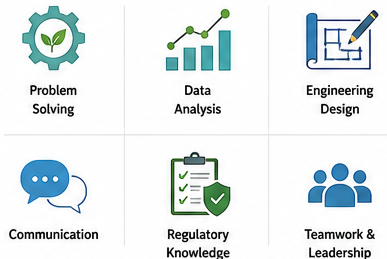
Core Skills for Environmental Engineering
- Problem-Solving and Critical Thinking
Ability to analyse environmental challenges, identify root causes, and develop efficient and sustainable solutions for real-world problems. - Knowledge of Environmental Laws and Policies
Understanding of environmental regulations, standards, and compliance requirements to ensure projects meet legal and environmental guidelines. - Data Analysis and Interpretation
Skills to collect, analyse, and interpret environmental data related to air, water, and soil quality for informed decision-making. - Technical Design and System Planning
Capability to design and optimise systems such as water treatment plants, waste management processes, and pollution control technologies. - Communication and Reporting Skills
Ability to present technical information clearly, prepare environmental reports, and communicate effectively with stakeholders and authorities.
Environmental Engineering Career Scope and Salary (2026)
Environmental engineering offers excellent career scope and competitive salary potential in 2026, driven by increasing global demand for sustainability, environmental protection, and regulatory compliance. As industries and governments focus on pollution control, resource management, and sustainable development, environmental engineers are in high demand worldwide, ensuring strong job security and long-term career growth.
Key Job Roles in Environmental Engineering
- Environmental Engineer – Designs systems for pollution control, water treatment, and environmental protection
- Water Resource Engineer – Manages water supply, wastewater treatment, and sustainable water systems
- Environmental Consultant – Provides guidance on environmental compliance, sustainability, and impact assessments
- Sustainability Specialist – Develops strategies for energy efficiency and sustainable practices
- Waste Management Officer – Oversees waste treatment, recycling, and disposal systems
- Air Quality Analyst – Monitors air pollution and ensures compliance with environmental standards
Industries Hiring Environmental Engineers
- Construction and infrastructure
- Government environmental agencies
- Energy and renewable sector
- Manufacturing and industrial companies
- Environmental consultancy firms
Environmental Engineering Salary (2026)
Environmental engineering salary varies based on experience, qualifications, and location, with strong earning potential across all levels:
- Entry-Level: Competitive starting salary with career growth opportunities
- Mid-Level: Higher salary with specialisation in sustainability, water resources, or compliance
- Senior-Level: High-paying roles in leadership, consultancy, and project management
Top-paying countries include United Kingdom, United States, Canada, and Gulf countries due to high demand and advanced environmental regulations.
How to Become an Environmental Engineer
Becoming an environmental engineer in 2026 involves a clear pathway of education, practical experience, and skill development. This career requires a strong foundation in science, along with the ability to design sustainable solutions, manage environmental systems, and meet regulatory standards.
Step-by-Step Guide
- Complete Secondary Education (Science Stream): Study subjects like physics, chemistry, and mathematics to build a strong foundation.
- Pursue a Diploma or Degree in Environmental Engineering: Gain essential knowledge in pollution control, water systems, and sustainability.
- Gain Practical Experience: Take part in internships or training programmes to develop real-world skills.
- Develop Technical and Analytical Skills: Learn data analysis, system design, and environmental monitoring.
- Obtain Professional Certifications: Enhance your profile with environmental or ISO-related certifications.
- Start Entry-Level Roles: Apply for junior positions and build experience for career growth.
Step-by-Step Career Path Table
| Stage | Description |
|---|---|
| Education | Study science subjects |
| Qualification | Diploma or degree in environmental engineering |
| Practical Experience | Internships and training |
| Skill Development | Technical and analytical skills |
| Certification | Professional and ISO courses |
| Career Entry | Apply for entry-level roles |
Environmental Engineering Courses and Qualifications
Choosing the right environmental engineering course is an important step for anyone starting a career in this field. In 2026, there are multiple study pathways available for beginners and professionals, ranging from diplomas to specialised certifications. These programmes are designed to build strong technical knowledge, practical skills, and industry awareness required for careers in environmental engineering, sustainability, and environmental management. You can explore a complete range of environmental engineering courses through our dedicated course category page to find the most suitable option for your career goals.
Popular Course Options
- Diploma in Environmental Engineering
A beginner-friendly qualification that provides essential knowledge of environmental systems, pollution control, and sustainable practices. - Bachelor’s Degree in Environmental Engineering
A comprehensive programme that covers advanced concepts, technical design, and real-world applications in environmental engineering. - Short Professional Certifications
Focused courses that help learners develop specialised skills in areas such as environmental management, sustainability, and compliance. - ISO Environmental Management Courses
Professional certifications based on international standards (such as ISO 14001) that support careers in auditing, compliance, and environmental management systems.
Why These Qualifications Matter
- Help develop industry-relevant knowledge and practical skills
- Improve employability and career progression opportunities
- Support compliance with global environmental standards
- Prepare learners for diverse roles in environmental engineering
Explore Environmental Engineering Courses
To start your journey, explore our Environmental Engineering Courses , where you can find a wide selection of diplomas, Awards, and professional training programmes designed to support your career in environmental engineering.r-ready skills.
Benefits of Studying Environmental Engineering
Environmental engineering is a high-demand and future-focused field that offers strong career opportunities while allowing individuals to contribute to environmental protection and sustainable development. In 2026, this profession is recognised for its global relevance, job stability, and long-term growth potential.
Key Benefits include:
- High global demand with strong job security across industries
- Opportunity to work on real-world environmental challenges such as pollution and water management
- Diverse career paths in sectors like construction, energy, government, and consultancy
- Competitive salary potential with opportunities for growth and specialisation
- Ability to contribute to sustainability, environmental protection, and public health
- Global career opportunities with demand in developed and developing countries
- Continuous learning and advancement through certifications and emerging technologies
Environmental engineering provides a balanced career with professional growth, financial stability, and meaningful impact on the environment.
Future of Environmental Engineering
Environmental engineering is expected to grow rapidly in 2026 and beyond, driven by global sustainability goals, stricter environmental regulations, and increasing investment in green technologies. As industries and governments prioritise environmental protection, the demand for skilled environmental engineers continues to rise. This field is evolving with advanced technologies and innovative solutions, making it a future-focused and highly secure career choice for long-term growth.
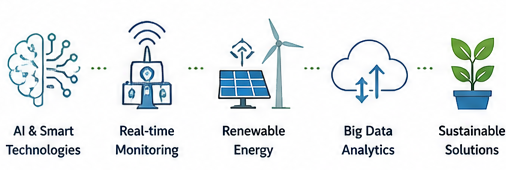
Emerging Trends (2026 and Beyond)
- Smart Environmental Monitoring Systems:
Use of sensors, IoT, and digital tools to monitor air quality, water quality, and environmental conditions in real time. - Artificial Intelligence in Environmental Analysis:
AI and data analytics are being used to predict environmental risks, optimise resource management, and improve decision-making. - Renewable Energy Integration:
Growing adoption of solar, wind, and other renewable energy systems to reduce carbon emissions and support sustainable energy solutions. - Sustainable Urban Development (Smart Cities):
Development of eco-friendly cities with efficient infrastructure, green buildings, and sustainable resource management systems. - Climate Change Mitigation Technologies:
Advanced technologies focused on reducing greenhouse gas emissions, improving energy efficiency, and addressing climate-related challenges.
The future of environmental engineering is strong and full of opportunities, with continuous innovation and global demand making it a future-proof career path for professionals seeking growth, stability, and impact.
Who Should Study Environmental Engineering?
Environmental engineering is an ideal field for individuals who are passionate about science, sustainability, and solving real-world environmental challenges. In 2026, this career path is particularly suitable for learners who want to combine technical knowledge with practical problem-solving to create a positive impact on society and the environment. With growing global demand, this field offers excellent opportunities for those seeking a meaningful, stable, and internationally recognised profession.
This Field is Suitable for Individuals Who:
- Have a strong interest in science subjects such as physics, chemistry, and environmental studies
- Are passionate about protecting the environment and promoting sustainable development
- Want to solve real-world problems related to pollution, water management, and climate change
- Aim to build a meaningful and impactful career that contributes to public health and environmental protection
- Enjoy analytical thinking, problem-solving, and working on practical engineering solutions
- Are looking for global job opportunities in industries such as energy, construction, and environmental consultancy
- Prefer a career with long-term growth, job security, and continuous learning opportunities
Environmental engineering is best suited for individuals who want to combine scientific knowledge with real-world impact, offering a career that is both professionally rewarding and socially valuable.
Conclusion
Environmental engineering is a critical and continuously evolving field that plays a central role in addressing global environmental challenges such as climate change, pollution, water scarcity, and sustainable resource management. In 2026, the importance of this discipline has grown significantly due to increasing environmental regulations, global sustainability goals, and the need for innovative solutions to protect ecosystems and public health. Environmental engineers are at the forefront of designing systems that ensure clean air, safe water, and environmentally responsible development, making their role essential in both developed and developing economies.
With strong global demand, diverse career opportunities, and long-term growth potential, environmental engineering offers a stable and future-oriented career path for beginners. By acquiring the right education, developing technical and analytical skills, and gaining practical experience, individuals can build a successful and rewarding career in this field. Beyond professional success, environmental engineering also provides the opportunity to contribute meaningfully to environmental protection and sustainable development, helping to create a safer, healthier, and more resilient future for generations to come.